An autumn tidy works best when it makes the garden easier to use and leaves the right plants in place. A clear path, an accessible gate and a border with some shape can matter more than making every bed look empty. Before reaching for the tools, separate what is obstructing everyday use from what is simply changing with the season.
For garden maintenance, Sevenoaks homeowners can take a selective approach to the end of the growing season. Gemzas Garden Maintenance and Landscaping provides garden clearance and tidying, weed control and flower-bed maintenance, and planting and practical garden advice across Sevenoaks and surrounding villages in Kent. Those are different tasks, and an autumn visit need not treat every patch of the garden in the same way.
Clear the routes that still earn their keep
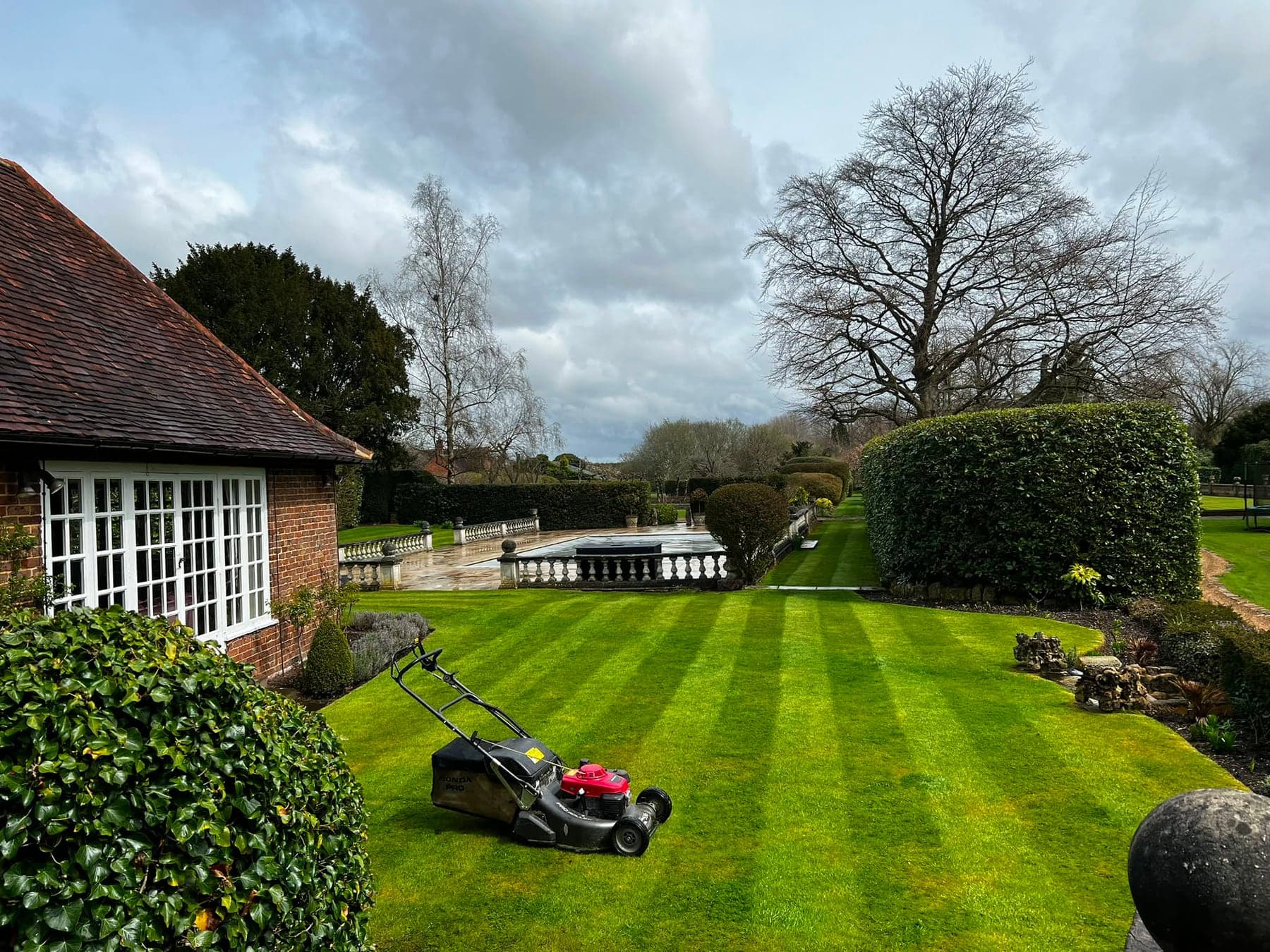
Start with the route used to reach the bins, the back gate, the shed and the washing line. In summer, crossing the lawn may feel as convenient as following a path. When conditions change, the paved route may become the one used most often. Make sure it remains visible and usable before spending time on the far end of a border.
Loose leaves, fallen stems and pots moved after summer can hide a path edge or narrow a turn. Move only what can be handled comfortably and keep steps and entrances clear. Where a plant leans into the route, distinguish a small obstruction from a decision to cut back the whole plant. The first problem may not need the second response.
Keep some shape in the view from the house
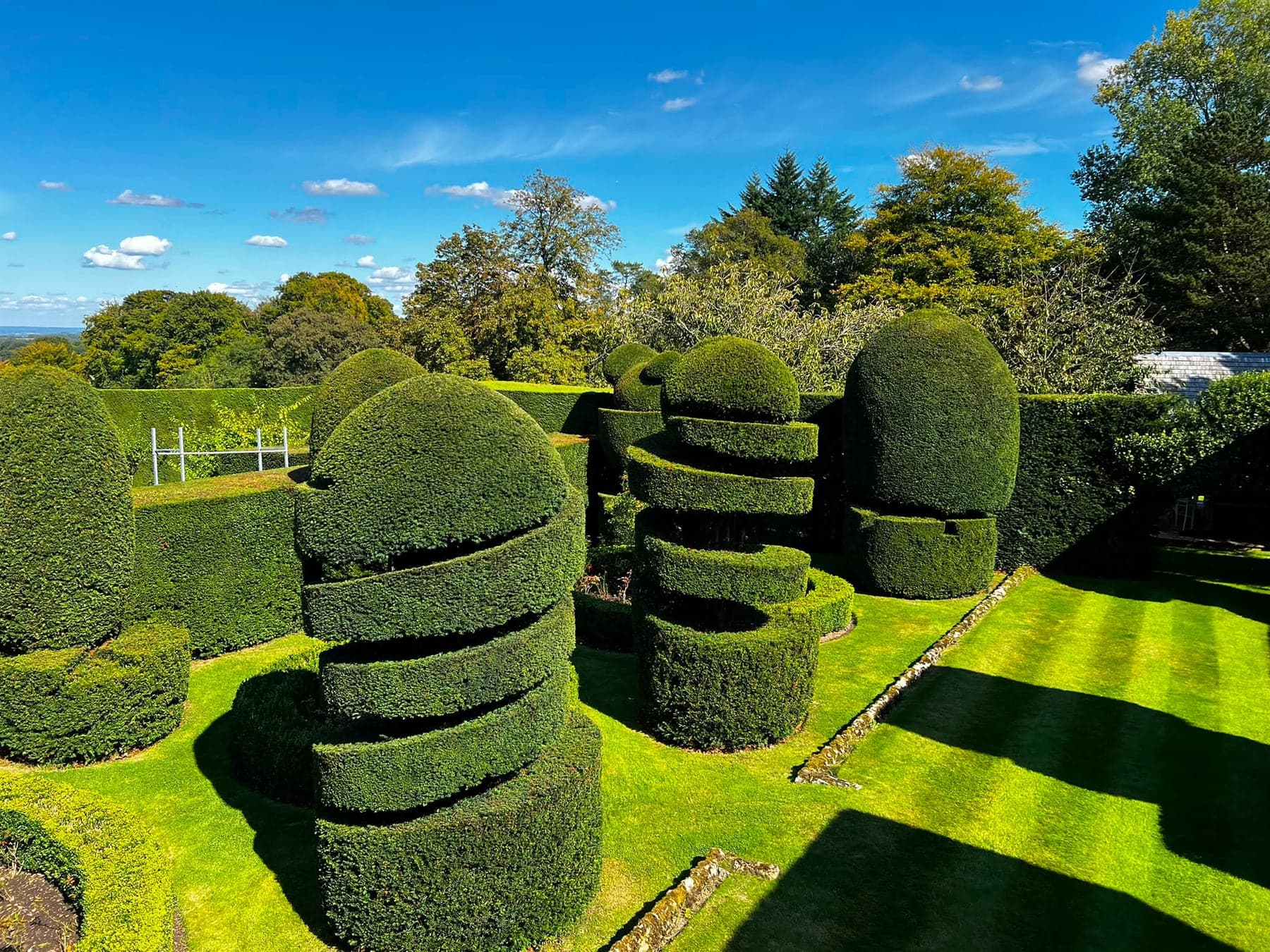
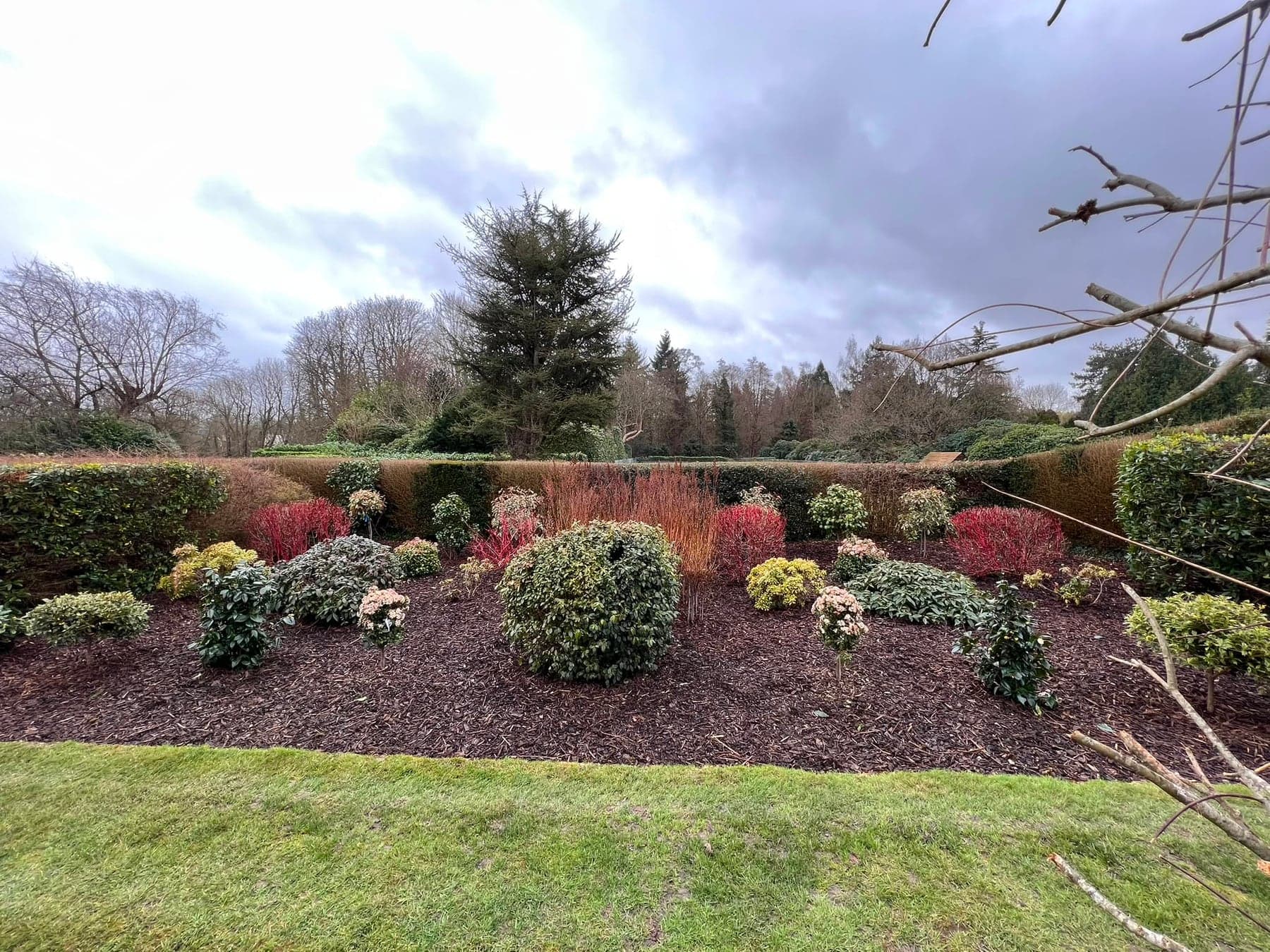
Look at the garden from the window where you see it most often. What remains interesting after the flowers have finished? It might be the outline of a shrub, coloured stems, grasses or a group of seedheads. A garden can look cared for while retaining those features, especially when its principal paths and edges are easy to read.
The RHS guidance on cutting back perennials describes selective autumn cutting and leaving suitable stems and seedheads for winter structure and wildlife. That is a reason to make choices plant by plant, rather than applying one blanket treatment to the whole border. Material showing decay or fungal growth needs a different decision from sound, upright growth.
Choose one or two groups that improve the winter view and make them deliberate features. Leaving an entire tangled edge untouched may not suit the space; retaining a defined patch away from the route may. The balance should work for the people using the garden as well as the planting.
Give unknown plants a chance to be identified
A plant that looks unremarkable now may have been valuable earlier in the year. Before clearing a bed, look through spring and summer photographs or any labels you have kept. Match them to a fixed feature such as a fence post, tree or path bend so the location remains clear when the top growth has changed.
If you are unsure what a plant is, mark it for discussion instead of treating uncertainty as a reason to remove it. This is particularly useful in a recently inherited garden. Gemzas offers planting and advice alongside maintenance, so a question about an unfamiliar plant can remain separate from the surrounding tidy-up.
Use the tidy to notice recurring problems
Autumn can make a garden's awkward places more obvious. Leaves may repeatedly collect at one corner. A planter may block the shortest route to a gate. The space needed for a bin may have been borrowed by summer furniture. These are useful observations even when no redesign is planned.
After the loose material is cleared, walk the route again before putting everything back. Sometimes the useful change is simply a different position for a movable pot or chair. If the same pinch point remains, keep it as a separate future decision rather than expanding a routine tidy into an unplanned landscaping job.
Likewise, flower-bed maintenance and removing unwanted growth do not automatically require new planting. See what is already there once the bed is readable. An apparent gap may be worth watching through another season before it is filled.
Choose a finish that makes sense next week
A garden surrounded by deciduous planting will not stay leaf-free after one visit. Judge the result by the useful work completed: the route is clear, the plants to retain are identifiable and the border's intended shape can be seen. Expecting the entire outdoor space to remain unchanged through autumn creates a standard the season cannot meet.
Make the next small task obvious. Keep the path easy to sweep, leave access to the parts of the border that need attention and avoid storing furniture in the route used for routine care. A tidy that is straightforward to maintain is more useful than a dramatic clear-out followed by another build-up.
A selective autumn walk-round
Use this walk-round to decide what needs attention now and what can stay for the season. Mark the plants to keep before any clearance starts, then work through the main routes and borders in that order.
- Follow the routes used every day and clear the entrances and turning points first.
- Look from the house before deciding which standing plants improve the view.
- Separate sound seedheads and stems from material whose condition needs attention.
- Mark unfamiliar or valued plants before the surrounding bed is cleared.
- Reposition movable clutter before assuming a path or border needs rebuilding.
- Leave a manageable next task as leaves and growth continue to change.
Questions about autumn tidying
Does a tidy border have to be cut down completely?
No. Its appearance and use can be improved selectively. Suitable standing growth can remain, while paths, entrances and unwanted growth receive attention. The plant, its condition and its position should determine the work; a single cutting rule will not suit every border.
What if I cannot remember which plants return each year?
Use earlier photographs and labels where available, mark the location and keep the plant as an open identification question. Avoid clearing uncertain growth merely to make the bed look finished. Planting advice and the surrounding maintenance can be discussed separately.
If the garden needs a larger reset as well, the guide to a one-off tidy and ongoing maintenance explains that distinction. For the seasonal work, start with the routes that matter and the plants worth retaining.